GPT Image 2.0 vs Nano Banana Comparison: Which AI Wins for Ecommerce?
Stop wasting hours on manual photo shoots only to realize your AI-generated lifestyle images have garbled text or “hallucinated” product features that trigger Amazon’s compliance bots. Scaling a multi-platform ecommerce brand in 2026 requires a precise balance between photorealistic aesthetics and technical accuracy across Amazon, Shopify, and TikTok Shop.
TL;DR Verdict
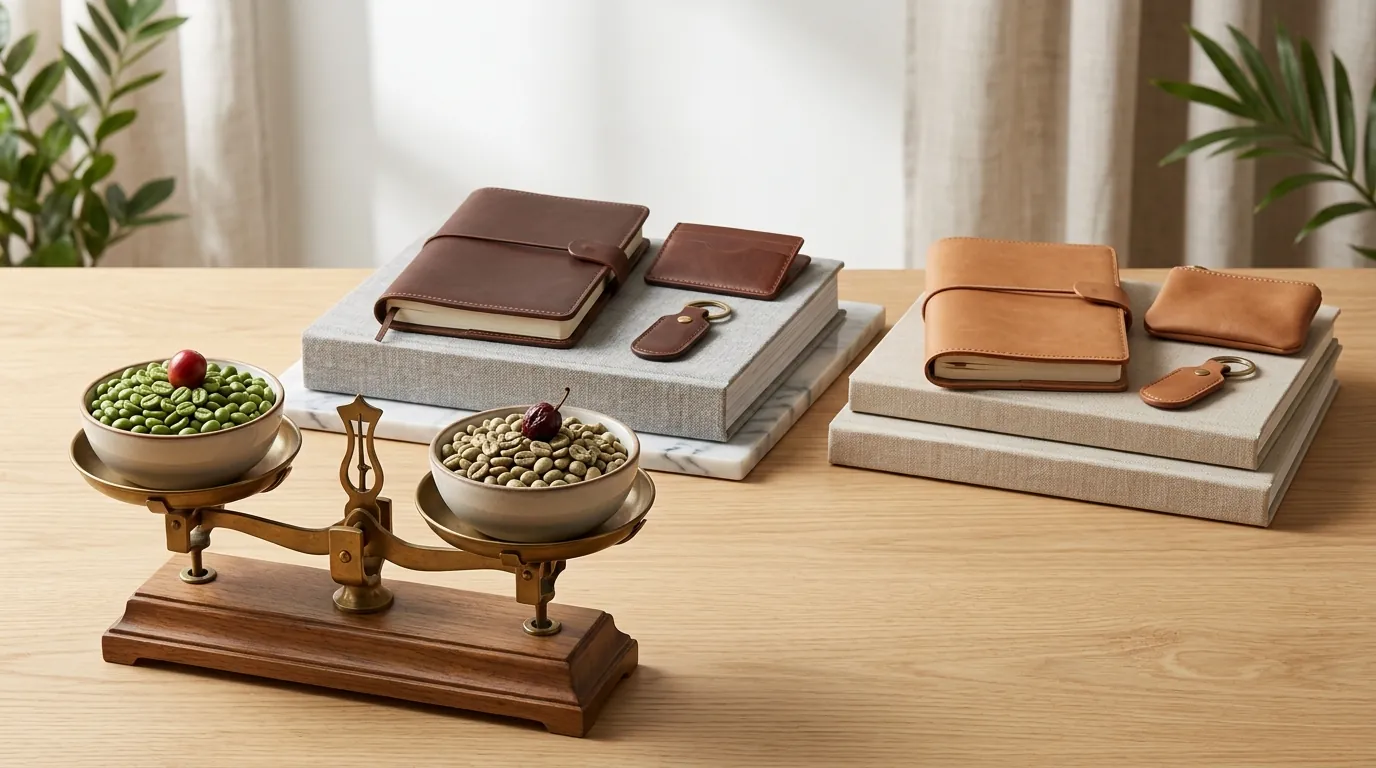
Audit your current product catalog to determine if your primary conversion bottleneck is a lack of “lifestyle context” or a lack of “technical clarity.” This single audit will dictate whether you should lean into OpenAI’s or Google’s latest models.
OpenAI’s GPT Image 2.0 (released April 2026) is the current industry leader for infographics, size charts, and any image where text legibility is non-negotiable. Its “Thinking Mode” allows the model to plan the spatial arrangement of a 3x3 grid or a complex feature callout before a single pixel is rendered. If your product requires a size chart that customers can actually read, GPT Image 2.0 is the superior choice.
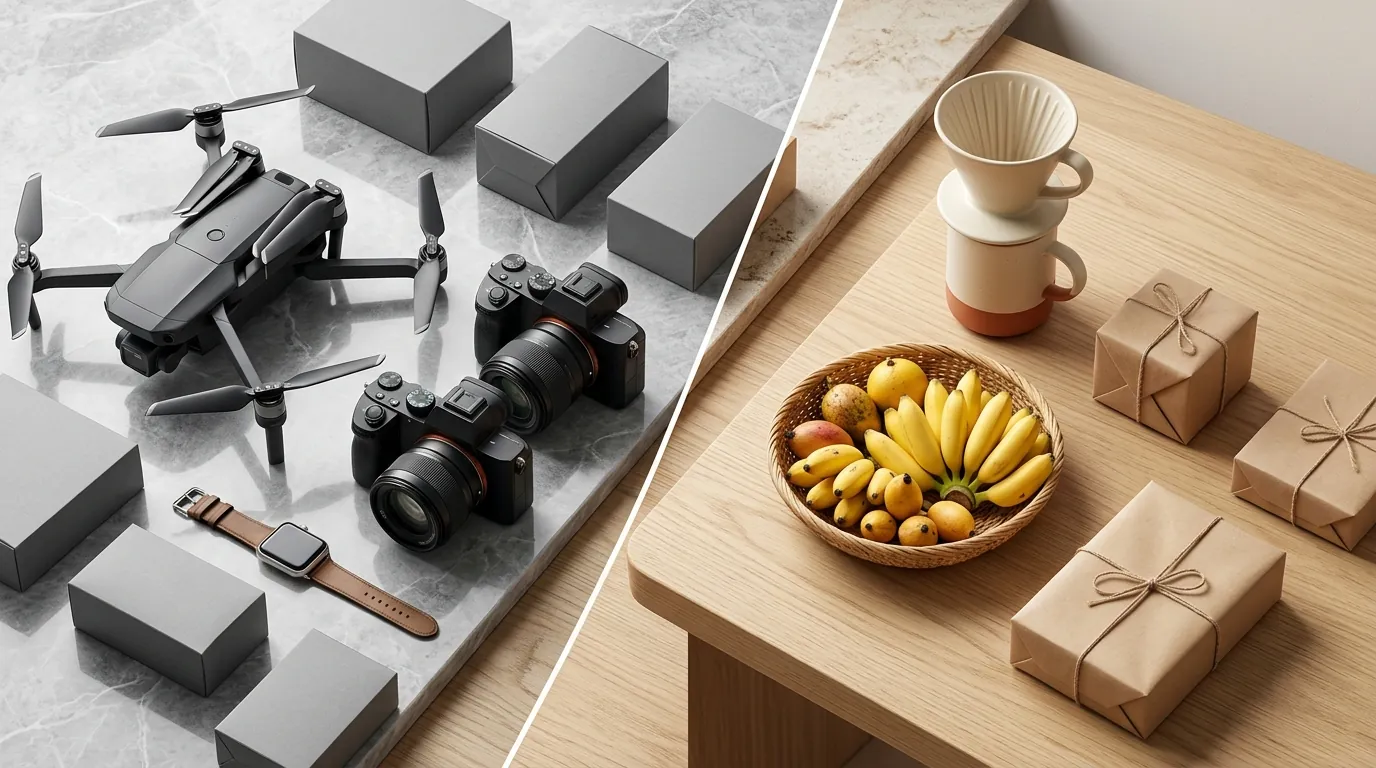
Google’s Nano Banana (powered by the Gemini 3 Pro Image model) is the undisputed king of photorealism. It handles lighting, shadows, and “materiality”—the way light reflects off glass or silk—with a level of sophistication that GPT Image 2.0 often misses. For hero images that need to stop the scroll on a Shopify storefront, Nano Banana Pro delivers a more professional, high-end photography feel.
Both models are fully capable of meeting the rigorous standards of modern marketplaces. They comfortably output high-resolution files that exceed Shopify’s 2048 × 2048 px recommendation and Amazon’s requirements for high-detail zoom functionality.
Side-by-Side Feature Table
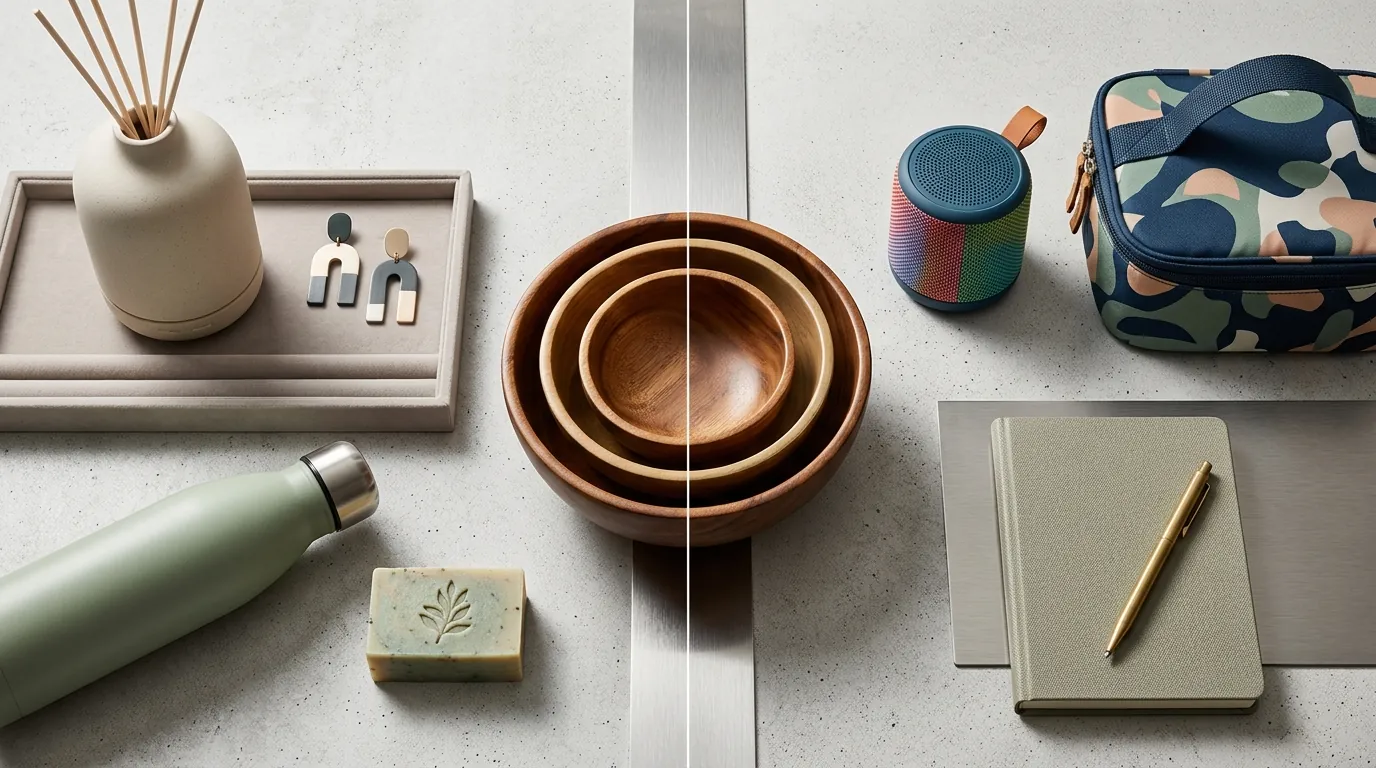
Run a resolution calibration test on your existing assets to see if your current images support the “hover-to-zoom” features on Amazon and Walmart. If your current images blur when zoomed, you likely need the 4K output capabilities of Nano Banana Pro to maintain conversion rates.
| Feature | GPT Image 2.0 | Nano Banana Pro |
|---|---|---|
| Native Resolution | Up to 2K (2048px) | Up to 4K (4096px) |
| Text Rendering | Near-perfect (Size charts, labels) | Moderate (Struggles with dense text) |
| Watermarking | Standard Metadata | Invisible SynthID Digital Watermark |
| Spatial Logic | High (Maintains 3x3 grids/layouts) | Low (Often blends items in grids) |
| Primary Strength | Complex Infographics | Hyper-Realistic Lifestyle Scenes |
| Generation Speed | Slower (due to Thinking Mode) | Faster (Optimized for TPU) |
The choice between these two often comes down to the “SynthID” factor. Nano Banana applies an invisible SynthID digital watermark to every image. While invisible to the human eye, this metadata helps platforms identify AI-generated content. For sellers worried about future platform transparency mandates, Nano Banana provides a built-in layer of compliance that GPT Image 2.0 currently lacks in its standard output.
Furthermore, GPT Image 2.0’s spatial logic is its “killer feature” for multi-pack sellers. If you are selling a “Bundle of 4” and need all four items displayed in a specific geometric pattern, GPT Image 2.0 will respect those constraints. Nano Banana, conversely, may hallucinate a fifth item or merge two items together because it prioritizes the “vibe” of the photo over the rigid logic of the prompt.
Pricing Comparison
💡 Skip the manual editing. PixelMatch batch-generates ecommerce-ready product images in 60 seconds — white background, lifestyle scenes, and variant mockups from a single source photo. Try PixelMatch free →
Calculate your projected monthly SKU volume before committing to an API tier, as the price difference between a single-product seller and a catalog-wide refresh can reach thousands of dollars.
For sellers using the API to automate their workflows, GPT Image 2.0 offers a tiered quality structure. You will pay $0.0134 per image for low-quality drafts and up to $0.2232 for high-quality production renders. This makes GPT Image 2.0 a cost-effective option for rapid prototyping of ad creatives where you might generate 100 versions to find one winner.
Nano Banana Pro operates on a higher price floor but offers significant advantages for high-resolution needs. Standard API calls cost $0.139 for 2K resolution and $0.24 for 4K resolution. However, Google has introduced a “Batch Processing” discount specifically for ecommerce sellers. If you are processing more than 1,000 images in a single request, the price for 4K resolution drops to $0.12 per image.
If you are a high-volume seller with 500+ SKUs, the Nano Banana batch discount makes 4K imagery significantly cheaper than GPT Image 2.0’s high-quality tier. Conversely, if you are a boutique seller who only needs 10-20 perfect images a month, the free tiers available through ChatGPT (for GPT Image 2.0) and Google Gemini (for Nano Banana) may suffice, though these consumer interfaces lack the bulk-export tools necessary for efficient store management.
Best For (By Seller Profile)
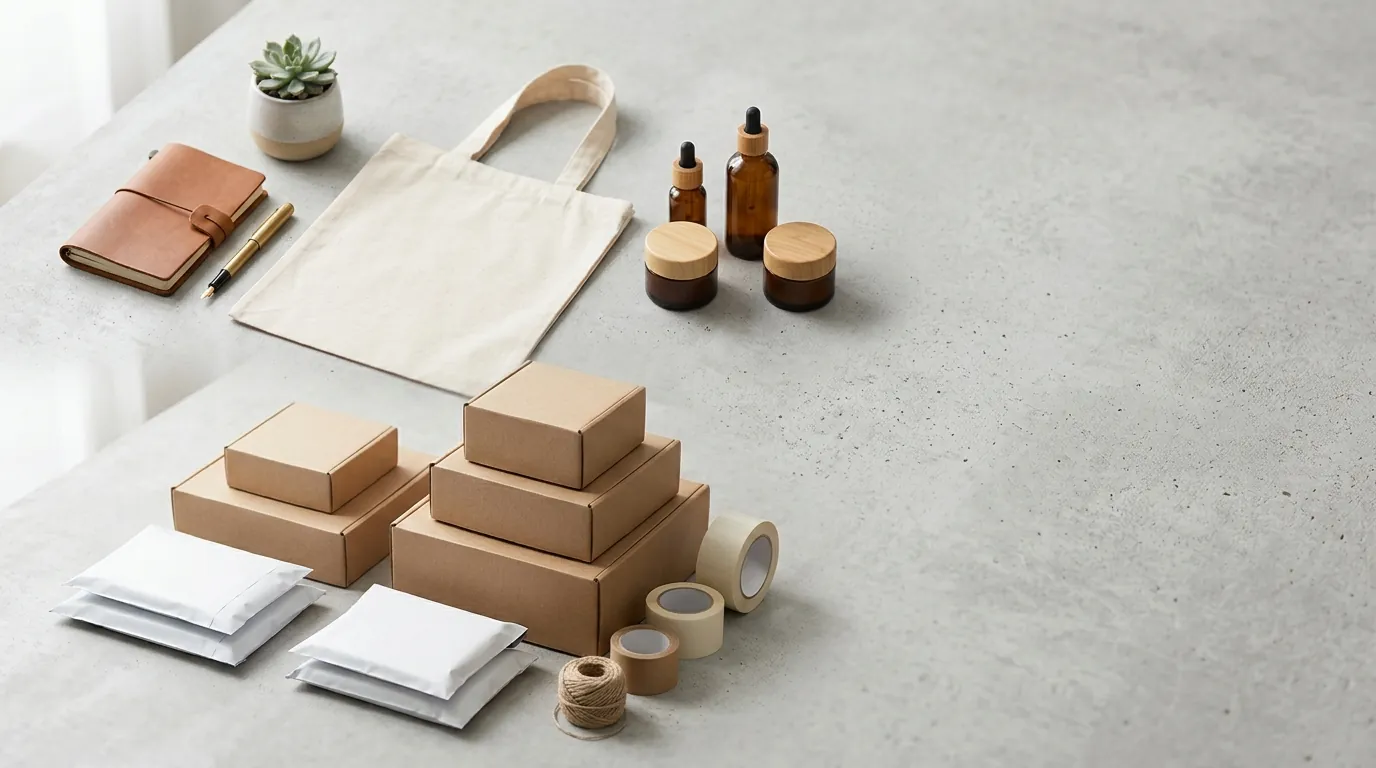
Map your specific marketplace’s aesthetic requirements to the model’s output style to ensure your images don’t look “out of place” compared to top-ranking competitors.
Amazon FBA Sellers
Amazon’s A+ Content and Brand Story sections demand lifestyle imagery that looks indistinguishable from a $5,000 professional photoshoot. Nano Banana Pro is the superior choice here. It excels at placing products into complex environments—like a kitchen counter with realistic steam rising from a coffee pot or a hiking trail with accurate “golden hour” lighting. Because Amazon customers rely heavily on the “zoom” feature to inspect texture and build quality, the 4K output of Nano Banana Pro ensures your product doesn’t pixelate, maintaining a high-trust shopping experience.
TikTok Shop Sellers
TikTok Shop is a mobile-first platform where speed and “vibe” trump technical perfection. However, the platform still enforces a 600 × 600 px minimum requirement for product cards. Nano Banana is particularly effective for TikTok Shop because it generates high-energy, high-saturation images that perform well on mobile screens. Its ability to quickly iterate on 1:1 aspect ratio images allows you to test different lifestyle backgrounds (e.g., “Gen Z bedroom” vs “Modern Office”) to see which resonates with your specific TikTok demographic.
Multi-Platform Brands
If you sell the same SKU on Amazon, eBay, and your own Shopify site, you need a diverse asset library. GPT Image 2.0 is the “workhorse” for this profile. Use it to create your secondary images: the ones that explain how the product works. Because GPT Image 2.0 can handle text, you can prompt it to create “3-step assembly” graphics or “Comparison vs Competitor” charts with readable headers and bullet points. While Nano Banana handles the “beauty shot,” GPT Image 2.0 handles the “education shot” that actually closes the sale.
Where Each Falls Short
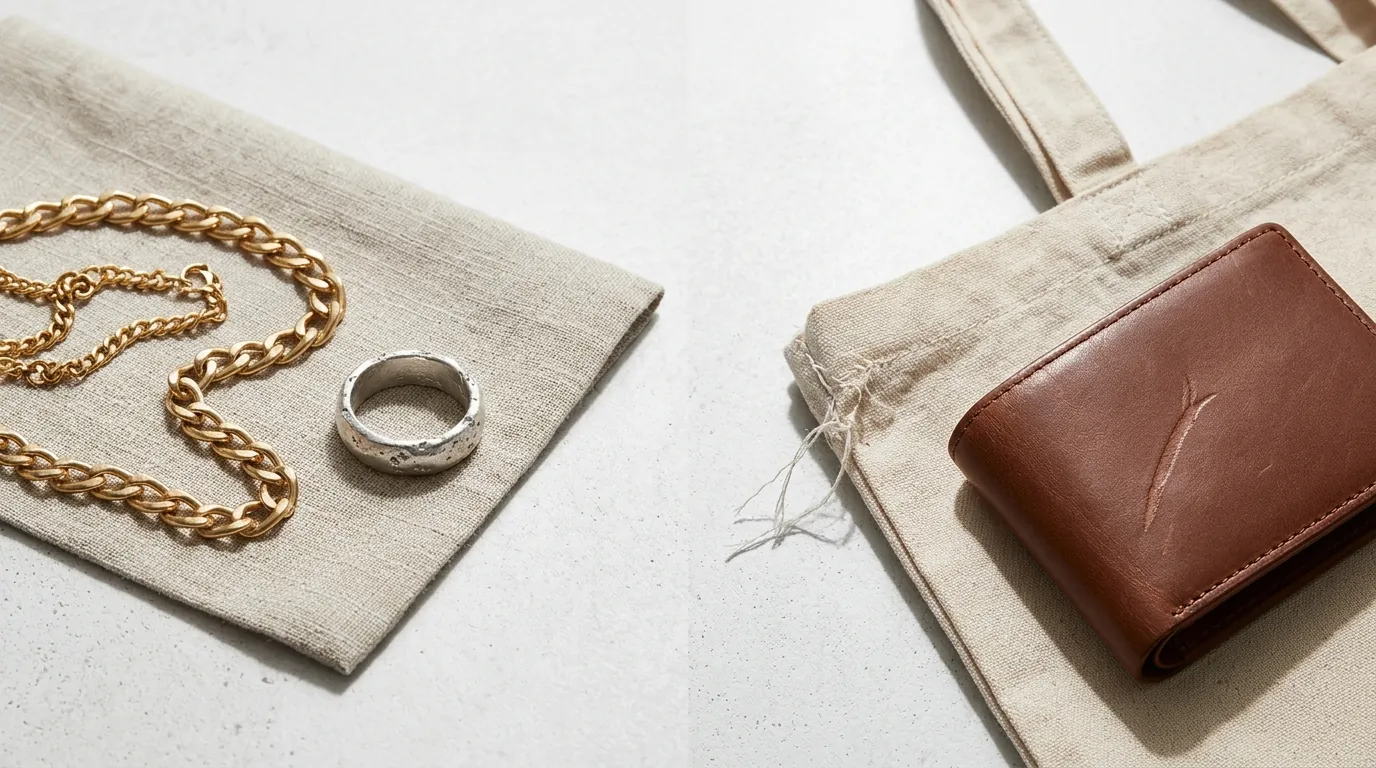
Set a “maximum generation time” threshold for your creative team; if a model’s “thinking” or “processing” time exceeds 45 seconds per image, you are losing money on labor costs that could be solved with a batch-optimized tool.
GPT Image 2.0’s greatest strength—its “Thinking Mode”—is also its primary weakness. Because the model spends several seconds “planning” the layout before it begins drawing, the latency is noticeably higher than previous versions. For a seller trying to generate 1,000 images in an afternoon, this extra 10–15 seconds per image adds up to hours of idle time. There is also the risk of “overthinking” simple prompts. If you ask for a “white background product shot,” GPT Image 2.0 might attempt to add unnecessary shadows or “artistic” flourishes that violate Amazon’s strict Main Image requirements.
Nano Banana Pro struggles significantly with “spatial hallucination” in complex layouts. If you prompt for a “flat lay of 10 different makeup brushes,” Nano Banana will likely merge the handles of two brushes or give one brush three sets of bristles. It lacks the geometric awareness found in OpenAI’s model. Additionally, while the SynthID watermark is great for compliance, it can sometimes be flagged by overly sensitive third-party “AI detectors” used by some niche marketplaces, potentially leading to manual account reviews.
Finally, neither of these models is a “complete” solution for a seller with a massive catalog. They are underlying engines. Using them directly via a chat interface or a basic API script requires manual prompting for every single SKU. This “manual prompting bottleneck” is the number one reason AI initiatives fail in mid-to-large ecommerce operations.
Recommendation
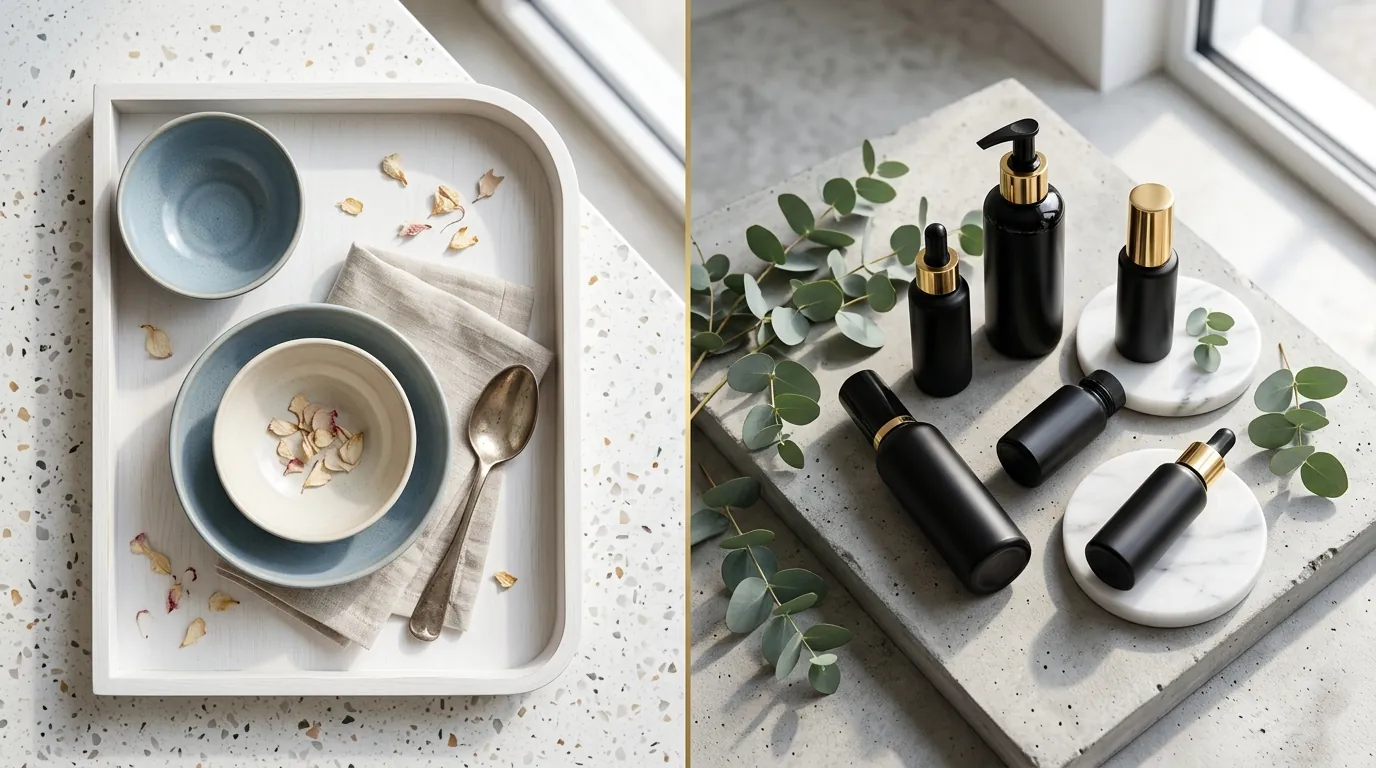
For sellers who need to scale this across their entire catalog without hiring a full-time prompt engineer, use PixelMatch to batch-generate compliant images using these underlying models without the manual prompting hassle.
The “winner” of the GPT Image 2.0 vs. Nano Banana comparison depends entirely on where the image will live in your funnel:
- Choose GPT Image 2.0 if you are building out your “Secondary Images.” It is the only model that consistently produces readable text and logical layouts for infographics, size charts, and feature callouts.
- Choose Nano Banana Pro if you are focused on your “Hero Image” and “Lifestyle Content.” Its 4K resolution and superior lighting engine create the high-end “magazine look” that drives clicks on Amazon and Shopify.
- Use a Hybrid Approach for maximum ROI. Use Nano Banana for the main product photo (the “click-getter”) and GPT Image 2.0 for the rest of the image gallery (the “conversion-closers”).
To implement this today, start by selecting your top 5 best-selling SKUs. Generate one 4K lifestyle image using Nano Banana Pro and one technical infographic using GPT Image 2.0. A/B test these against your current “stock” photos. Most sellers see a measurable lift in conversion rate when moving from flat, non-contextual images to the hyper-realistic or highly educational assets these 2026 models provide.
If you find the manual process of prompting, downloading, and re-uploading to be too slow, moving to a batch photography platform like PixelMatch allows you to apply these model strengths to your entire 1,000+ SKU catalog in a single afternoon. This removes the technical barrier to entry and lets you focus on what actually moves the needle: product development and brand strategy.
Ready to scale your listings?
PixelMatch generates white-background, lifestyle, and variant mockups from a single source photo — built specifically for multi-platform ecommerce sellers. 50 free images on signup, no credit card.
Start free →
Sources
- Shopify Image Size Recommendations
- Nano Banana Pro 4K Resolution Specs
- SynthID and Nano Banana Pricing Structure
- GPT Image 2.0 API Pricing Tiers
- Nano Banana Pro Community Pricing Discussion
- Official Nano Banana Batch Discount Guide
- TikTok Shop Product Image Requirements