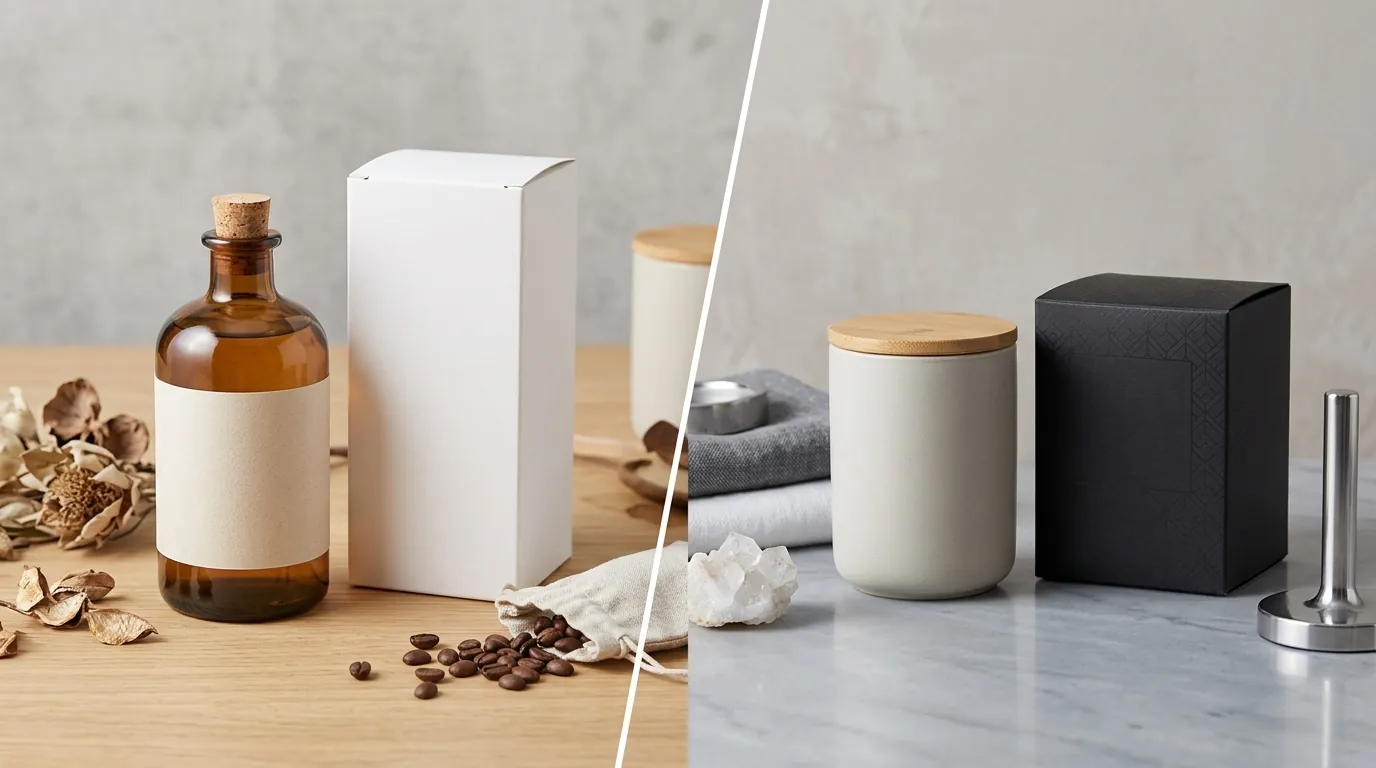
Midjourney v7 vs Flux 2 for Products: 2026 Ecommerce Guide
Scaling a multi-platform ecommerce store in 2026 requires more than just “good” photos; it requires pixel-perfect consistency across Amazon, Shopify, and TikTok Shop without the overhead of a $200-an-hour photographer. As AI models have evolved, the choice between Midjourney v7 and Flux 2 has become the defining technical decision for high-volume sellers looking to automate their visual pipeline.
TL;DR Verdict
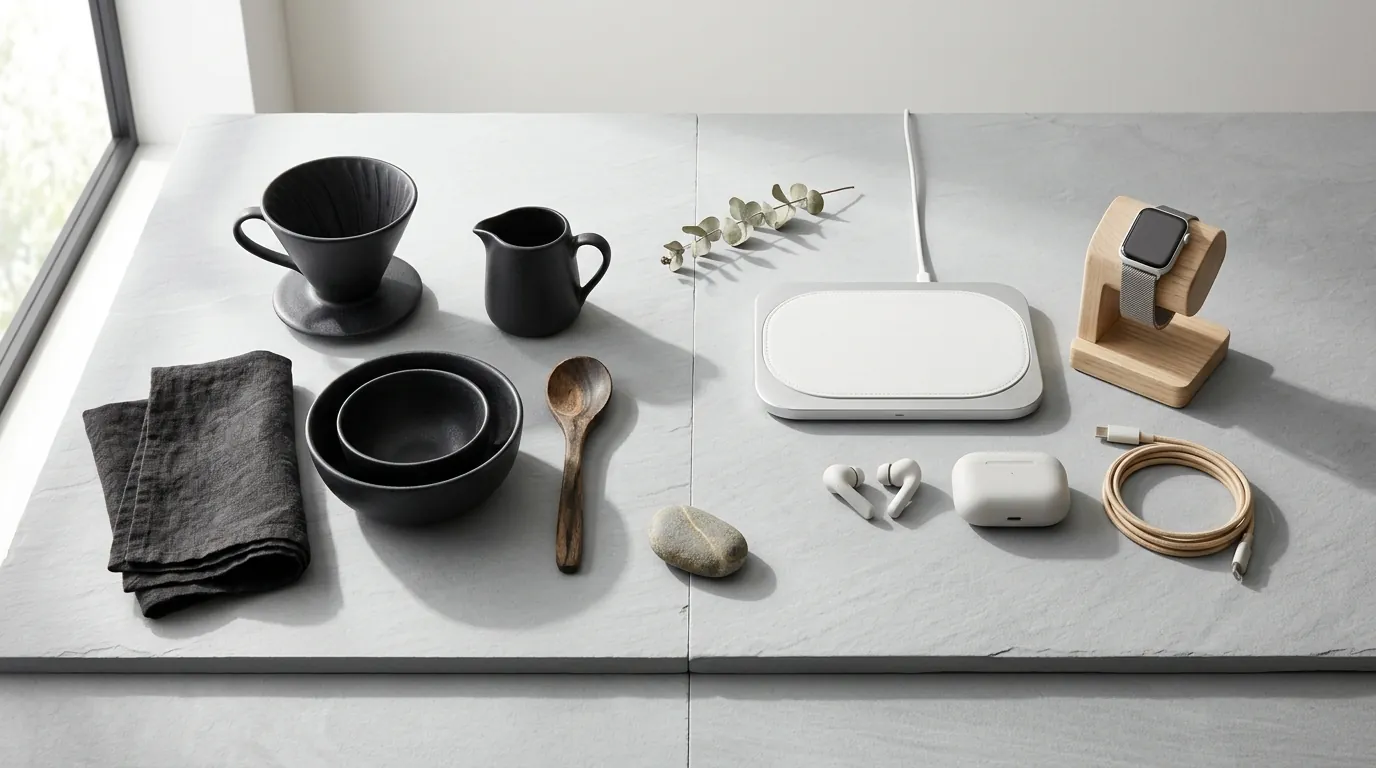
Run a calibration test by uploading your most complex product—one with fine text or a unique matte texture—to both models before committing your entire Q3 creative budget to one workflow. If your priority is absolute fidelity to your physical product, Flux 2 is your winner. If you are building a lifestyle brand that relies on “vibe” and cinematic storytelling, Midjourney v7 remains the industry standard.
- Flux 2 (released Nov 2025 by Black Forest Labs): This is the superior choice for exact product preservation and typography. Built on a 32B parameter Latent Flow Matching architecture, it allows you to process up to 10 reference images simultaneously. This means your product’s dimensions, labels, and logos remain locked, even when the background changes.
- Midjourney v7 (released April 2025): Midjourney continues to dominate the creative and lifestyle space. Its Omni Reference feature provides unparalleled stylistic control, allowing you to replicate lighting and “mood” from a source image better than any other model. However, it still takes creative liberties with product geometry that can lead to customer complaints if not carefully managed.
- The Batch Problem: Both tools are built for “one-at-a-time” creation. To meet Amazon’s 1000px minimum zoom requirement and Shopify’s varied aspect ratio needs for hundreds of SKUs, manual prompting is a bottleneck. Sellers scaling past 50 SKUs should offload the heavy lifting to a batch-generation tool like PixelMatch, which utilizes these models via API but automates the ecommerce-specific formatting.
Side-by-Side Feature Table
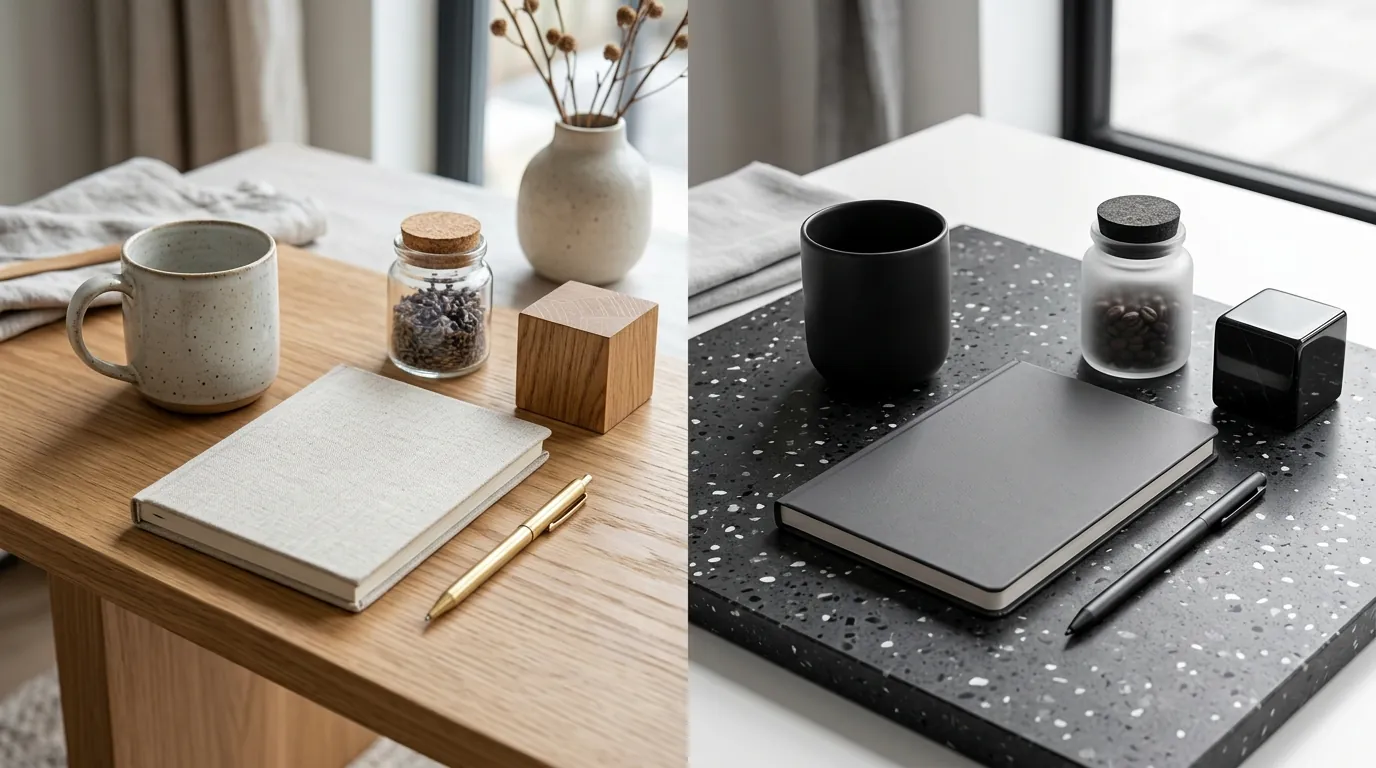
Check your current listing images against the Amazon 1600px-on-the-longest-side recommendation to see if your current AI output is actually helping or hurting your search rank. High-resolution source files are the only way to ensure your “Zoom” feature doesn’t look pixelated to a potential buyer.
| Feature | Midjourney v7 | Flux 2 (Max/Pro) |
|---|---|---|
| Product Consistency | High (via Omni Reference) but prone to “hallucinating” small details. | Ultra-High (Multi-reference system) for near-perfect preservation. |
| Typography Accuracy | Improved, but struggles with long technical specs or small fonts. | Industry-leading; renders exact packaging text and labels flawlessly. |
| Max Native Resolution | ~2MP (Requires internal or external upscaling). | Up to 4MP natively (ideal for large-format Etsy prints). |
| Primary Interface | Discord and Midjourney Web Alpha. | API, Open-weights (Dev), or third-party (Fal.ai, Replicate). |
| Best Ecommerce Use | Lifestyle “Hero” images and social media creative. | Main “White Background” images and technical packaging shots. |
| Aspect Ratio Control | Flexible --ar parameters; handles vertical/horizontal well. | Precise pixel-dimension control via API. |
Flux 2’s ability to handle up to 10 reference images is a game-changer for sellers of complex items like electronics or skincare. In Midjourney, you might get a “similar” bottle; in Flux 2, the model understands the front, back, and side of your specific bottle, ensuring the pump and the label placement are identical to the physical unit.
Pricing Comparison
💡 Skip the manual editing. PixelMatch batch-generates ecommerce-ready product images in 60 seconds — white background, lifestyle scenes, and variant mockups from a single source photo. Try PixelMatch free →
Audit your monthly image requirements before choosing a plan. If you are launching five products a month, a subscription is fine. If you are a dropshipper or a high-volume PL (Private Label) seller launching 50+ SKUs, pay-per-generation API costs will likely be more efficient.
- Midjourney v7 Pricing: Midjourney remains a closed ecosystem with a subscription-only model. The Standard Plan at $30/month is the baseline for sellers because it offers 15 hours of “Fast” GPU time. This is critical because “Relax” mode can take minutes per image—a delay that kills productivity when you’re trying to find the perfect shot. The Pro Plan ($60/mo) adds “Stealth Mode,” which is vital if you don’t want competitors scraping your prompts and product concepts from the public gallery.
- Flux 2 Pricing: Flux 2 offers more flexibility because it is “open-weight” for the Dev version. You can host it yourself if you have the technical stack, but most sellers use providers like Fal.ai or Replicate. Pricing is typically consumption-based, often around $0.05 to $0.08 per high-resolution image. While this sounds cheap, “re-rolling” a prompt 20 times to get the lighting right adds up.
- The Hidden Cost of Manual Labor: Neither tool is “click and forget.” You must manually prompt, wait, upscale, and then download/upload to your store. For a seller with 100 products, this represents roughly 40 to 60 hours of manual labor per catalog update. PixelMatch eliminates this cost by allowing you to upload your catalog once and generate thousands of platform-ready images in one go.
Best For (By Seller Profile)
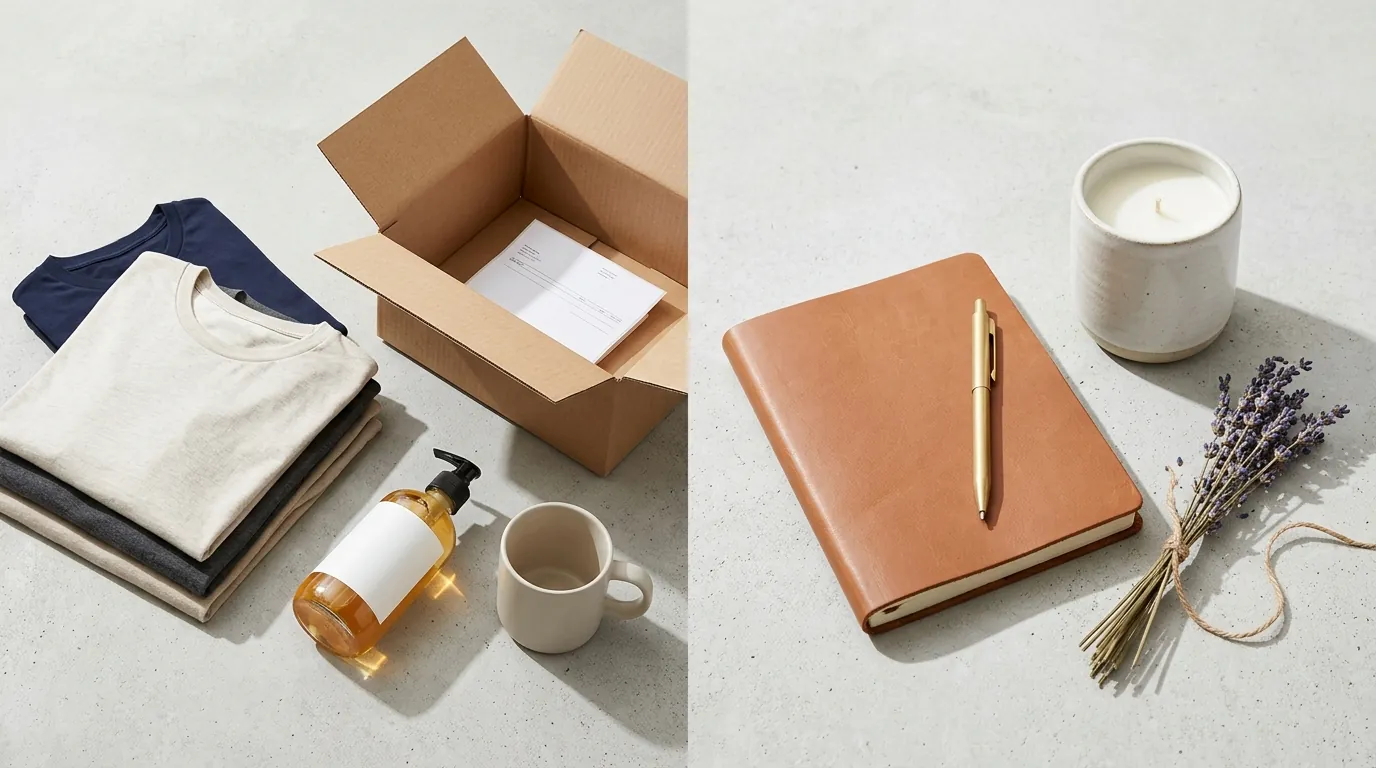
Match your AI model to your primary sales channel. A “cinematic” image that works on Instagram might get your listing suppressed on Amazon if it doesn’t meet strict technical guidelines.
Amazon FBA Private Label
Flux 2 is the clear winner for Amazon Main Images. Amazon requires a pure white background (RGB 255, 255, 255) and the product must fill 85% of the frame. Flux 2’s deterministic nature means you can prompt for “Product on pure white background, 255,255,255” and it will actually deliver it without the gray shadows or “off-white” tints that Midjourney often introduces. Furthermore, Flux 2 ensures your packaging text is readable, which is essential for items where the brand name or “Key Ingredients” must be visible in the search results.
Shopify & Boutique Brands
Midjourney v7 is the superior choice for Shopify sellers who need to build an emotional connection. If you are selling a $150 candle or high-end apparel, you need “mood.” Midjourney’s lighting engine creates a level of “glow” and “atmosphere” that Flux 2 often lacks. Use Midjourney to create your homepage banners and “In the Wild” lifestyle shots where the exact placement of every screw or seam is less important than the overall aesthetic of the brand.
Print-on-Demand (POD) Sellers
Flux 2 wins for POD apparel and home decor. The primary struggle for POD sellers is “hallucination”—AI models often add extra buttons to shirts or distort the graphic you are trying to sell. Because Flux 2 can use your original design file as a high-weight reference, it maps the graphic onto the model’s t-shirt without changing the font or the colors of your artwork. This ensures the customer receives exactly what they see in the mockup, reducing your return rate on platforms like Etsy.
Where Each Falls Short
Implement a human-in-the-loop QA process for every AI-generated image. Even in 2026, these models can fail in ways that are invisible at a glance but obvious to a disappointed customer.
- Midjourney’s “Randomness” Factor: Midjourney v7 is an artist, not a scientist. If you ask for a “blue sports bottle,” it might give you three different shades of blue across four images. For a seller, this is a nightmare for listing consistency. You will often find yourself “re-rolling” prompts 10+ times just to get the product to look like the actual inventory sitting in your warehouse.
- Flux 2’s “Clinical” Aesthetic: While Flux 2 is accurate, its default outputs can feel a bit “flat” or “stock-photo-ish.” It lacks the default cinematic flair of Midjourney. To get a truly high-end lifestyle look in Flux 2, you have to be much more descriptive with your lighting prompts (e.g., “Golden hour, 35mm f/1.8, soft bokeh, volumetric lighting”).
- The Workflow Gap: Neither model understands that Shopify likes 2048 x 2048 px square images or that TikTok Shop prefers a 9:16 vertical orientation for product cards. You are left to resize, crop, and compress these images yourself. This manual “pixel pushing” is where most ecommerce teams lose their ROI on AI tools.
Recommendation
Stop treating AI image generation as a “one-off” creative task and start treating it as a data-processing task.
If you are a solo founder building a brand identity from scratch, invest your time in learning Midjourney v7. Its ability to generate “vibes” will help you define your brand’s visual language faster than any mood board.
If you are an established seller with an existing catalog that needs to be ported to new marketplaces, Flux 2 is the technical tool you need for accuracy. Its ability to maintain product integrity is the bridge between “AI art” and “ecommerce assets.”
However, for the multi-platform seller, the “Midjourney vs. Flux” debate is secondary to the “Manual vs. Automated” debate. Using these models individually is like hand-painting every unit of your product—it doesn’t scale. PixelMatch bridges this gap by utilizing the strengths of both models (Flux for product accuracy and Midjourney-style refinement for backgrounds) within an automated pipeline.
With PixelMatch, you can:
- Upload your entire product catalog in one batch.
- Apply platform-compliant backgrounds (like Amazon-white or Shopify-lifestyle) automatically.
- Export thousands of images that are already resized and optimized for each marketplace’s specific requirements.
Skip the hours of prompting and let the technology handle the heavy lifting while you focus on your conversion rates.
Frequently Asked Questions
Can I use Midjourney v7 images for my Amazon Main Image?
Technically yes, but it is difficult. Amazon requires a pure white background (RGB 255,255,255). Midjourney often adds soft shadows or reflections that technically violate this, which can lead to listing suppression. Flux 2 or a dedicated tool like PixelMatch is better for Main Images.
Does Flux 2 really handle text better than Midjourney?
Yes. Flux 2 uses a different architecture that allows it to follow prompt instructions for text with nearly 100% accuracy. If your product packaging has a specific brand name or “Organic” certification logo, Flux 2 will render it correctly, whereas Midjourney v7 may still occasionally “scramble” the letters.
What is the best aspect ratio for Shopify product images in 2026?
Shopify generally recommends a 1:1 square ratio with a size of 2048 x 2048 pixels. This ensures the image looks sharp on both desktop and mobile while allowing for high-quality zoom.
How do I ensure my AI images don’t look “fake” to customers?
The “uncanny valley” usually comes from bad lighting and impossible shadows. Use reference images of real-world environments to guide the AI’s lighting engine. Alternatively, using a batch-processor like PixelMatch ensures that the lighting on the product matches the lighting of the generated background perfectly, which is the key to realism.
Ready to scale your listings?
PixelMatch generates white-background, lifestyle, and variant mockups from a single source photo — built specifically for multi-platform ecommerce sellers. 50 free images on signup, no credit card.
Start free →
Sources
- Amazon Product Image Requirements (Seller Central)
- Shopify Image Specifications & Best Practices
- Etsy Image Requirements for Sellers
- Midjourney Subscription Plans and Features
- Black Forest Labs - Flux 2 Model Release Notes
- Fal.ai Flux 2 API Pricing